Tarrant Area Food Bank’s pantry network had grown from less than 400 agencies to 665 when President and CEO Julie Butner decided to take a closer look at how food was being distributed throughout the food bank’s 13-county service area in North Texas.
Dozens of outlets had been added during the pandemic, a time when food and funds were flowing. Often, they were drive-through distributions aimed at increasing access to food while traditional pantries were closed.

A few years after the pandemic, the pop-up distribution points remained, even though major swaths of funding, especially from the federal government, had dried up. To Butner, the situation signaled a clear opportunity to become more efficient as resources narrowed, while also providing a better experience for clients.
“It’s rational,” Butner said. “We’re all losing funding from the government. We have to be considerate about the resources that we have available to us, and really contemplate whether or not we’re using them in the best way possible.”
And so began a rigorous and thoughtful process of evaluating its pantry agency network with the goal of strengthening ties to some, while easing out of relationships with others. The experience put Tarrant Area Food Bank in the vanguard of a growing number of food banks that are getting more circumspect about the agencies they work with, as they try to do more with less.
The Texas food bank worked through its process with More Than Food Consulting, helping to build a blueprint for others to follow. “It was a really successful pilot,” noted Malarie McGalliard, Senior Project Manager of Conn.-based More Than Food Consulting. “With learnings from that experience, we’re very excited to scale and replicate that model with other food banks across the country.”
Tarrant Area Food Bank began by establishing 32 criteria for evaluating the pantries, including location, level of choice, hours of operation, paid or volunteer staff, cold storage capacity, wraparound services, and so on. Each pantry was sorted into one of four tiers, including: Ready to Nourish (green), indicating that it was well-resourced and offered services beyond food in a friendly setting; Thriving (yellow), indicating that it had the ability and willingness to offer more than food, but not the resources, and Essential (purple), indicating that elements of distribution were not ideal, but it was located in an area where no other services were available.
The fourth category – pantries operating in overlapping service areas with standard offerings – was where Butner got tough. Her staff wanted to call this segment Under Review, but Butner said, “No, we’re going to dissolve” those relationships. “By maintaining food distribution with them, we’re taking food away from other partner agencies that can do more for the neighbor to get them back up on their feet,” she said. In the end, the food bank severed ties with 153 outlets.
While the number was high, the response was muted. Less than ten agencies pushed back, Butner said. Everyone understood and appreciated the process, and many were thankful to be given permission to wind down their operations.
Coming Up: More Than Food Consulting is holding a webinar on Agency-Network Assessments on December 2 at 1 pm ET. Find out more here.
Heavy preparation helped smooth the transition. Butner sat with each agency coordinator in hours-long boardroom sessions to ensure partners had been correctly classified against the 32 criteria and by location. Further, she personally placed phone calls to the dismissed agencies alongside the coordinators, explaining and socializing the rationale. “I had to make sure my team was comfortable with what we were doing,” Butner said.
Sweetening the pot is $1 million Butner is making available to agencies in the top tier if they agree to sign a contract to follow certain standards, including adopting the food bank’s nutrition policy. Butner’s goal is to get all 85 Ready to Nourish pantries certified over the next year, and then make another $1 million available to agencies in the next tier if they step up to meet the standards.
In Butner’s view, recalibrating the pantry network makes the food bank a better steward of its resources, while improving the client experience. “You really feel like you’re doing something more meaningful than just pushing pounds off the back of the truck,” she said.
Harvesters Community Food Network
Kansas City-based Harvesters Community Food Network is in its second round of analyzing its pantry network after going through a segmentation about ten years ago. Back then, the goal was to make sure the food bank was hitting its targets in terms of “meals per person in need,” a standard Feeding America metric.
Having achieved that goal by making more food available to agencies in low-resource communities, Harvesters is now responding to a general decrease in funding. “Our resources declined, and so we wanted to make sure that we could service our agency partners at a high level, and it meant that we needed a smaller network to be able to do that,” said Monic Houpe, Chief Operating Officer.
Harvesters assessed its network along a number of criteria with an emphasis on location and number of households served. In giving preference to agencies that serve at least 100 households a month, Harvesters ended up with a network of more than 600 programs that is 9% smaller than before. The process resulted in more support and gratitude than pushback, with most agencies understanding that “we were not going to be able to offer the same level of service that we have historically,” Houpe said.
Looking forward, Houpe expects that agency network assessments will occur on a regular basis, and become less complicated over time. “It’ll make it easier to have the conversation with our agency partners because it’s not some mystery formula in a spreadsheet,” she said. “We can literally say it’s based on these factors and be more transparent, which I think everybody appreciates.”
Feeding San Diego

In 2022, Feeding San Diego contracted with the Food Works Group to have it assess its agency network and offer advice for improved operations. One recommendation was to move all the files for its 350 agencies into an automated relationship management system, leading the food bank to use Salesforce to maintain the paperwork for each pantry and track their attributes.
The food bank now has a better understanding of agency capacity, and has begun to do some simple segmenting. Salesforce, for example, helps identify agencies that are poised to grow, and the equipment they might need to do so, said Sam Duke, Director of Programs. It has also highlighted geographic areas that could benefit from extended hours of operation.
While the food bank does not have any immediate plans to sever ties with pantries, it is contemplating ways it could serve some through redistribution organizations, rather than directly. “We’re starting to build up some large agencies as redistribution organizations, so they can help with some of these smaller ones that we may separate from,” Duke said.
Whether the pantry network gets smaller or not, the process of automating access to agency data has been fruitful. Duke foresees creating one-page documents on each agency and then building a benchmark to track their attributes along a set of criteria. “It’s been really an interesting learning process to see what the data is showing as a whole, but also get granular to see how to improve it,” Duke said. – Chris Costanzo
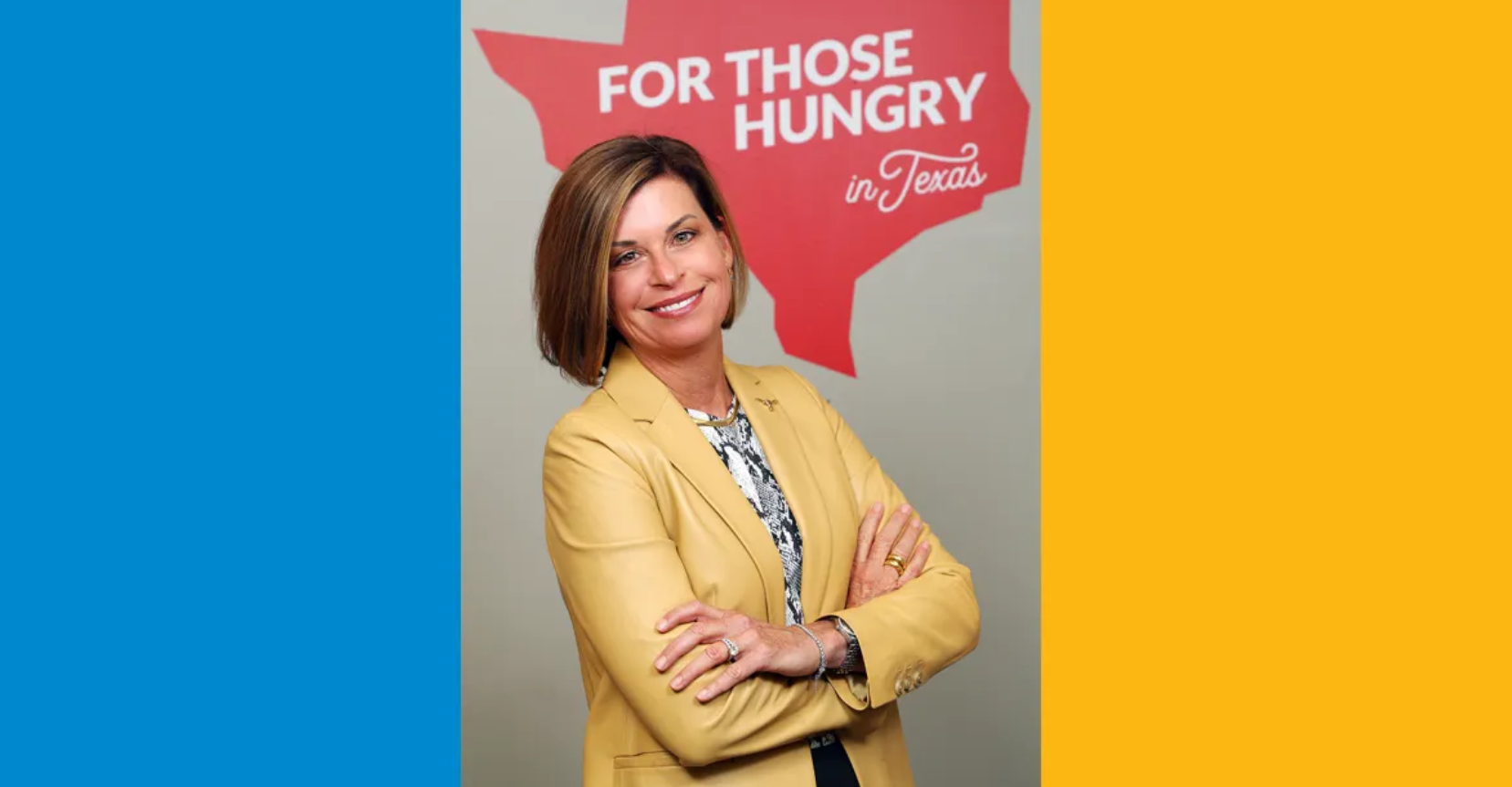
PHOTO, TOP: Julie Butner, President and CEO of Tarrant Area Food Bank, was adamant about “dissolving” relationships with certain agencies during the food bank’s network assessment.
Like what you’re reading?
Support Food Bank News
This article was made possible by the readers who support Food Bank News, a national, editorially independent, nonprofit media organization. Food Bank News is not funded by any government agencies, nor is it part of a larger association or corporation. Your support helps ensure our continued solutions-oriented coverage of best practices in hunger relief. Thank you!