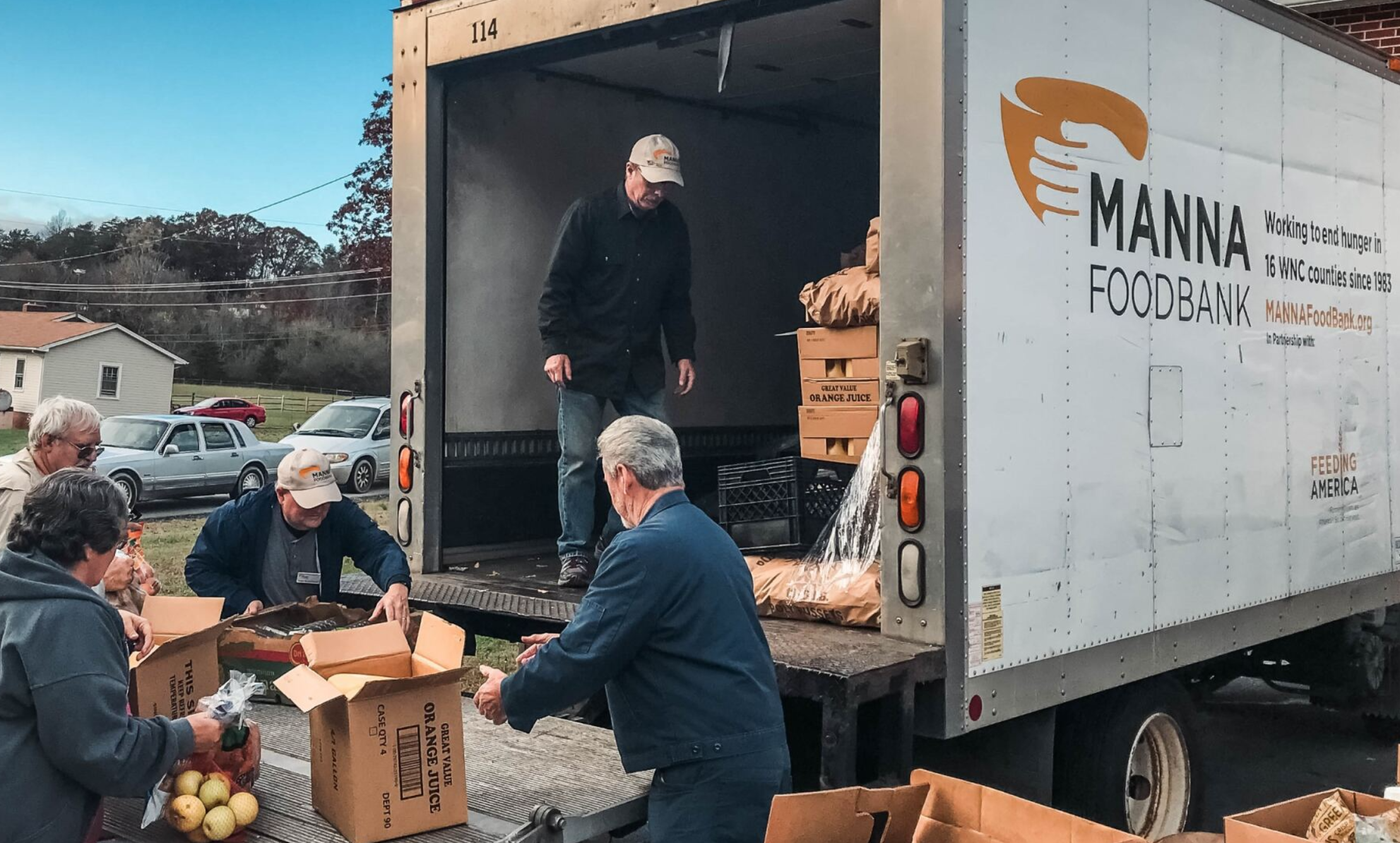
Less than a year after Hurricane Helene devastated portions of its service area in September 2024, MANNA FoodBank initiated a three-pronged approach to revitalizing its local food systems – supporting area growers, strengthening partner capacity, and – in a more unusual move – building community hubs.
Its Essential Foods Program is a $12.6 million, multi-year investment aimed at improving access to nutrient-dense staples, such as meat, eggs, cheese and fresh produce. In addition to purchasing such food from area farmers, the Asheville, N.C.-based food bank is investing in local food-systems infrastructure, including through the creation of several community resilience hubs throughout its 16-county service area.
The initiative reflects the expanded role that many food banks see themselves taking as they contemplate ways to help their communities that go beyond just distributing food. The program puts MANNA more fully into the role of listener, convener and collaborator, which are functions that evolved partly as a result of its experience with the hurricane.

“We went through something really traumatic, but one of the beautiful things that came out of it is that people loved the collaboration,” said Claire Neal, MANNA’s Chief Executive Officer. “I don’t know if I call it muscle memory, but that memory of that collaboration is there, and people want more of it.”
Several months into its hurricane recovery, MANNA began engaging communities in conversation about their “greatest unmet needs,” Neal said, noting that hurricane response efforts had netted the food bank an influx of shelf-stable food. “What we heard in meeting after meeting after meeting was this need for these essential foods, for healthy produce, meat, cheese, eggs, dairy.”
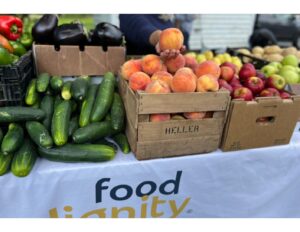
MANNA executed its first Essential Foods distribution in July 2025 and since then has increased the percentage of food it purchases from 15% to 50%, Neal said. Much of the local purchasing occurs through food hubs that aggregate the output of local farms.
The food bank currently purchases food for the program from 100 farmers, with a goal of increasing that number to 125 this year. When local purchases are not possible, MANNA expands its range to include the 400-mile definition of “local” established during the USDA’s now-closed Local Food Purchase Agreement program.
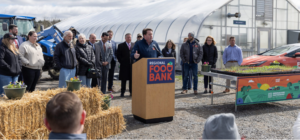
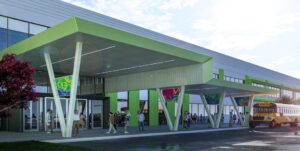
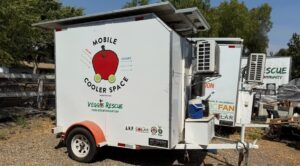
A somewhat novel aspect of the Essential Foods Program is its inclusion of community hubs, which will let MANNA’s partner agencies and other community organizations share resilience assets, such as space to store extra food in the event of an oncoming storm that could impede deliveries. “You don’t need those resources all the time, but everybody needs access to them sometimes, and then especially in emergencies,” Neal said.
MANNA sees the community hubs and infrastructure work as beneficial on their own, but also critical to scaling the Essential Foods Program. By strengthening aggregation and distribution functions, essential foods can move more efficiently to partner agencies across the region, Neal said.
The community hub effort is currently in a listening phase as the food bank engages in conversations to understand needs and gaps across its service area. The conversations will determine the number of hubs, their location, and the needs they will meet. “We want these to be community-led, community-driven by the needs of that community,” Neal emphasized.
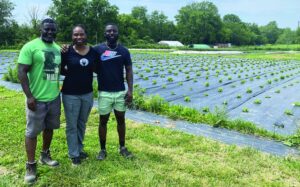
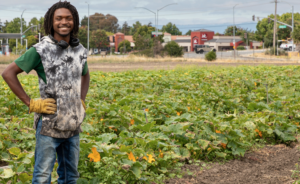
MANNA’s overall focus on local purchasing is helping buoy the region’s farmers, many of whom donated food to MANNA pre-Helene and were themselves deeply impacted by the hurricane. “Most of our farmers lost their whole farms . . . Not only did they lose equipment and their current crops, but they lost their topsoil,” Neal explained. A number are no longer farming, she added, and those that are may take “multiple years” to return to producing at full capacity.
The reality of that hardship amplifies the benefits of the Essential Foods Program. “When we are focusing on local food, we are strengthening the bonds between our farmers and our neighbors,” Neal said. “We’re investing in our local community. We’re strengthening the local food system.”
A $5 million grant from AmeriHealth Caritas North Carolina is helping to fund the three-year program, including the food sourcing, the community hub infrastructure and increasing capacity at its 200+ agency partners, such as through regional cold storage and enhanced distribution. Whether the program continues beyond three years will depend on future fund raising, Neal said.
MANNA is undertaking this work while engaged in its own recovery effort. After losing its warehouse and office space to Helene, the food bank has been operating without freezers and coolers, relying on a fleet of 14 refrigerated trucks that need to be monitored daily. MANNA is on schedule to finish installing new units this month, while work on its offices has just begun.
“This next year, we’re going to be still in flux, still under construction, still rebuilding,” Neal said. “It’s going to be beautiful and wonderful when it’s all done, but that’s very much still a reality.” – Amanda Jaffe
Amanda Jaffe is a writer and former attorney with a deep interest in organizations and mechanisms that address food insecurity. You can find more of her writing on her Substack publication, Age of Enlightenment (https://amandajaffewrites.substack.com/), and at www.amandajaffewrites.com.
Like what you’re reading?
Support Food Bank News