An effort started by the Tarrant Area Food Bank to increase the amount of produce it distributes has resulted in an unusual three-way partnership, with the potential to benefit other food banks.
The Fort Worth, Tex.-based food bank is making it possible for food banks in its region to go to one place to source highly customized food orders. They can choose from produce, meat, dairy and healthy non-perishables, and have the goods delivered in boxes, pallets or partial truckloads. The one-stop shopping is made possible through agreements the food bank has struck with Ind.-based Fresh Connect Central to its north, and Tex.-based Collaborative for Fresh Produce to its south.
The new option arrives at a time when food purchasing is top of mind for food banks. As they contend with various cuts in federal funding, many food banks are allocating more of their own budgets toward purchasing food. Purchasing lets them meet the high demand for food, while more easily ensuring (compared to donated food) that the food is of high nutritional quality.

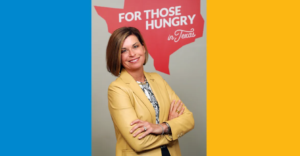
The three partners, which collectively have operations covering a broad swath of the midwest and south, each have a particular role to play. Tarrant Area Food Bank supplies the warehouse and labor, while the Collaborative for Fresh Produce acts as the exclusive produce provider. Fresh Connect Central, building upon its Indianapolis-based business, oversees the enterprise, including sales, operations and food sourcing. On the whole, the arrangement “serves as a vehicle for other food banks to take advantage of accessing food that they wouldn’t otherwise be able to get,” said Julie Butner, President and CEO of Tarrant Area Food Bank.
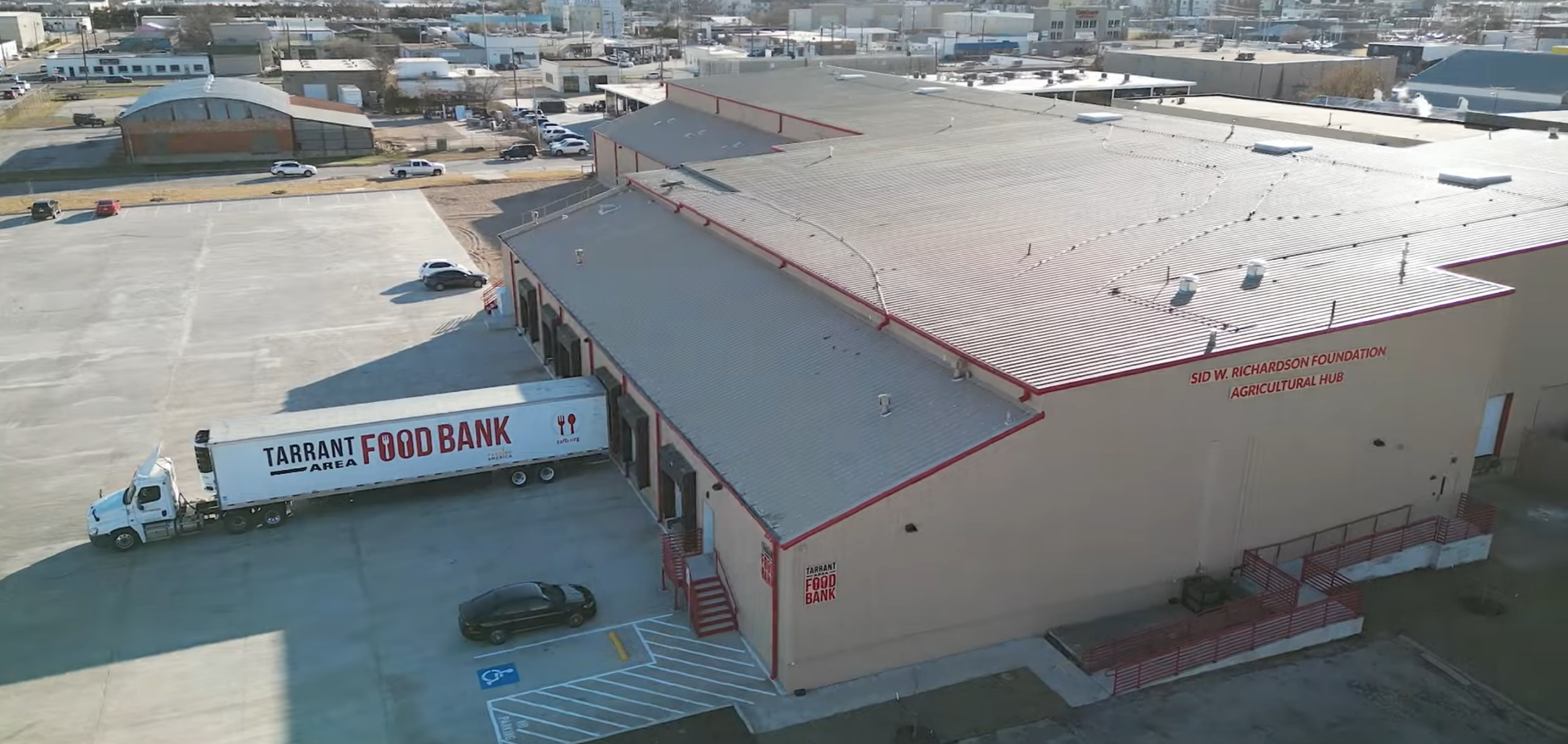
The mixing center, located across the street from Tarrant Area Food Bank’s own warehouse, first came into being about two years ago as a way for the food bank to increase the amount of produce it distributed – originally to its 500 or so partner agencies, and eventually to other food banks in the region. Already, the food bank has increased the amount of fresh produce it distributes throughout its agency network from 23% to 41%, Butner said.
During the second year of the hub’s operation, Tarrant Area Food Bank signed an agreement to act as a docking and repacking station for the Collaborative for Fresh Produce, a move aimed at making it easier for food banks in the north Texas region to access fresh produce, given the Collaborative’s location about eight hours south. The more recent addition of Fresh Connect Central allows the hub to expand into offering other types of healthy food, including more meat, dairy and shelf-stable options.
There are benefits all around. Working together, the partners can source more types of food and make it more readily available to food banks throughout the region, including food banks not in the Feeding America network. For regional clients, the time and cost to fulfill and transport orders will come down. And higher volumes are expected to result in the ability to negotiate better pricing from suppliers. Butner noted, “I don’t think the full value of how much you can actually save by working together on procurement has been fully understood or fully realized.”
Under the business arrangement, Fresh Connect Central pays Tarrant Area Food Bank a monthly fee to cover the costs of storing and handling non-perishable food on its site, and taps the Collaborative for Fresh Produce as the exclusive produce provider. The Texas operation, meanwhile, expands Fresh Connect Central’s reach and capabilities. “You’ve got an example of three different major players in the charitable food distribution business that have come together to try to help others in Texas and the surrounding area,” said Jeff McDonald, Senior Director at Fresh Connect Central.

Fresh Connect Central hopes to ship at least one million pounds of assorted products out of the Texas location every month. That compares with seven to eight million pounds per month out of its Indianapolis location. The business, a unit of Gleaners Food Bank of Indiana, started out as one of the produce cooperatives of Feeding America and over time has added healthy perishables like meat and dairy as well as shelf-stable food, all in customizable amounts and formats, in response to customer demand.
Tarrant Area Food Bank expects to earn some revenue by broadening the scope of its hub. With hub volumes still low, Butner does not expect the revenue to be substantial. But the effort is in keeping with an overall push, including by working with the healthcare sector, to lessen the food bank’s dependency on government funding. “What are the more creative, innovative ways of identifying enterprising sources of revenue that help sustain the work that we’re doing for the community, particularly as we’re seeing government funds go down,” Butner said.
While Fresh Connect Central aims to keep costs to customers as low as possible, it does not position the hub or its business as the low-cost leader in the space, McDonald said. Its sweet spot is small to medium-sized food banks that don’t have the capacity to order items by the truckload. “You might pay a little bit more, but it’s worth it to get what you need week to week, and then you have more variety on a regular basis,” he said, adding, “We are great for variety and we are great for ease of shopping.”
The Texas hub is not the only example of expansion by a food sourcer. Mich.-based Value Added Food Sales announced last month that it would open a new mixing center in Phoenix, increasing its number of distribution sites across the country to seven and helping to reduce fulfillment costs and travel distances for West Coast organizations. Value Added Food Sales, which specializes in shelf-stable inventory, offers the flexibility of ordering mixed truckloads combining multiple products. – Chris Costanzo
PHOTO, TOP: The Agricultural Hub at Tarrant Area Food Bank.
Like what you’re reading?
Support Food Bank News