The Food Bank of Contra Costa and Solano is celebrating ten years of lifting the voices of people who best understand what it’s like to be food insecure.
For ten years, its Speaker Series program has remained focused on training community members with lived experience to become advocates in the fight against hunger. Novel at the time of its introduction, similar programs have since spread to other food banks, including Capital Area Food Bank, Oregon Food Bank and San Francisco Marin Food Bank.
In the six-week program, each student works with a peer mentor to craft a two-minute hunger story that reflects their experiences of being hungry or food insecure. The program also includes “trauma-informed” support, such as breathing exercises, to ensure advocates aren’t re-traumatized by sharing their experiences. On the last day, the students present their stories to an elected official, a state or federal representative.
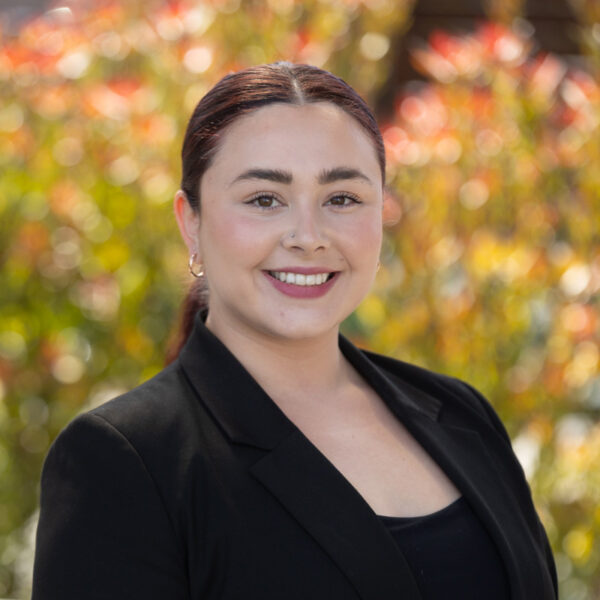
The program at Food Bank of Contra Costa and Solano has graduated over 100 community advocates, many of whom grow personally from the program, at the same time that they are bringing benefits to the food bank. “They’re able to use their voice and feel empowered to share their story,” said Hailey Argueta-Solares, Advocacy and Policy Manager.
One of those students is Melvin Jones, a 49-year-old paraplegic and a graduate of the 2026 Speaker Series, who has been unsheltered multiple times and continues to navigate food insecurity and mental health challenges. He described the program as a judgment-free zone that allowed him to overcome his nervousness about public speaking.
Jones, who now also serves as a volunteer for the Boys and Girls Empowerment Group, centered his speech on his memory of being a teenager helping seniors at food banks secure extra supplies, which he used to cook meals while his mother worked.
“The class was very informative, even if you never talk,” he said, adding that when he was writing his speech, both the mentors and the classmates made it very easy to express his feelings. “There was no shame or judgment. It was just congratulations. You made it out. You got away from what was hindering you.”
Penny Exner, another graduate from this year, shared a similar appreciation. “The program brought me out of my shell, made me more confident in what I say.” Exner, a victim of domestic abuse who focused her speech on her struggle to leave her marriage and overcome drug addiction, is now a cook at Loaves and Fishes, an organization providing free meals, groceries, and support to those fighting food insecurity.
Bryan Espinosa, who was part of the 2023 cohort, now serves as the food bank’s Advocacy and Community Organizing Coordinator. He is in charge of visiting distribution sites, partners and community colleges to get more people to apply to the program.
Being connected to the community helps the food bank keep up with the issues that impact the people it serves, Espinosa said. “We learn something new every time,” he said. Cohort members, for example, have described how their SNAP benefits fall short, and the administrative barriers they face in accessing benefits, such as how missing a phone call or an interview can cause the whole family to lose out.
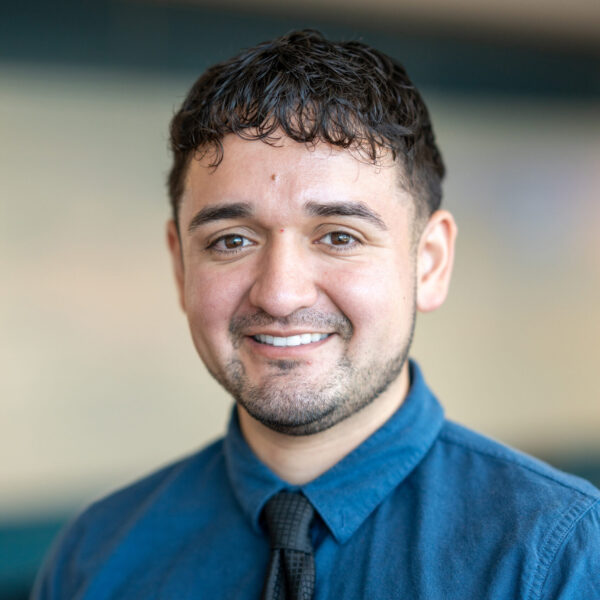
Such input helps shape the information the food bank can bring to legislators, making it more impactful. “It’s different from hearing statistics all the time,” Espinosa said. It has also changed how the food bank communicates with the public and donors. Instead of just asking for money by sharing the number of meals offered, it now shares real-life stories.
The food bank has adjusted its own agenda, based on information gleaned from the cohorts. For example, it has learned to offer food that meets cultural needs, such as masa for tamales during the holidays. And it now offers diapers, which it learned can be life-changing by allowing parents to drop their kids at day care, enabling them to work.
The food bank has even shifted its strategic goals, based on input from its students. It is now embracing a “more than meals” agenda, with the goal of becoming a full-on resource and community hub, explained Argueta-Solares. “By hearing our clients’ needs and stories, we’ve come to realize we need to be more than food,” she said.
The food bank makes it easy to apply to the program. “We just want to know a little bit about you, want to make sure you can make the dates, but we don’t want to be exclusionary in any capacity. We want to be as accessible as possible,” Argueta-Solares said.
The application window runs from September to December, and the program runs from February to March. It started as a twelve-week-long program, but, as a way to make it more accessible, it now lasts six weeks and is held completely over Zoom, so transportation isn’t a barrier to joining.
For each of the sessions, the students get a $25 grocery gift card, as well as a $100 Visa gift card for graduation. Argueta-Solares said that they are trying to raise the amount of the gift cards, but securing the funds remains one of the program’s challenges, and a key part of it: “I think compensation really helps with that dignity and respect aspect,” she said.
The cohort is also invited to join the food bank’s yearlong Community Advocacy Program. The intensive support offered in the Speaker Series helps advocates feel prepared and manage their nerves while telling their stories, which translates into more effective interventions at legislative meetings.
The food bank takes the whole cohort, usually 10 to 20 people, to lobby days in Sacramento, the state’s capital. The members of the Community Advocacy Program additionally go to Washington, D.C., to share their story with members of Congress.
The food bank has found that no two cohorts are the same, though they all share the same goal. Argueta-Solares noted, “The program is constantly evolving to make sure that the needs of the community are met.” – Mariel Lozada
Mariel Lozada is a bilingual journalist based in New York City who covers climate, health, and accountability across Latin America and the United States. Her reporting has explored issues from maternal health to food insecurity to community resilience in the face of global warming.
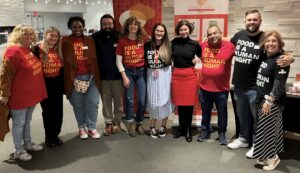
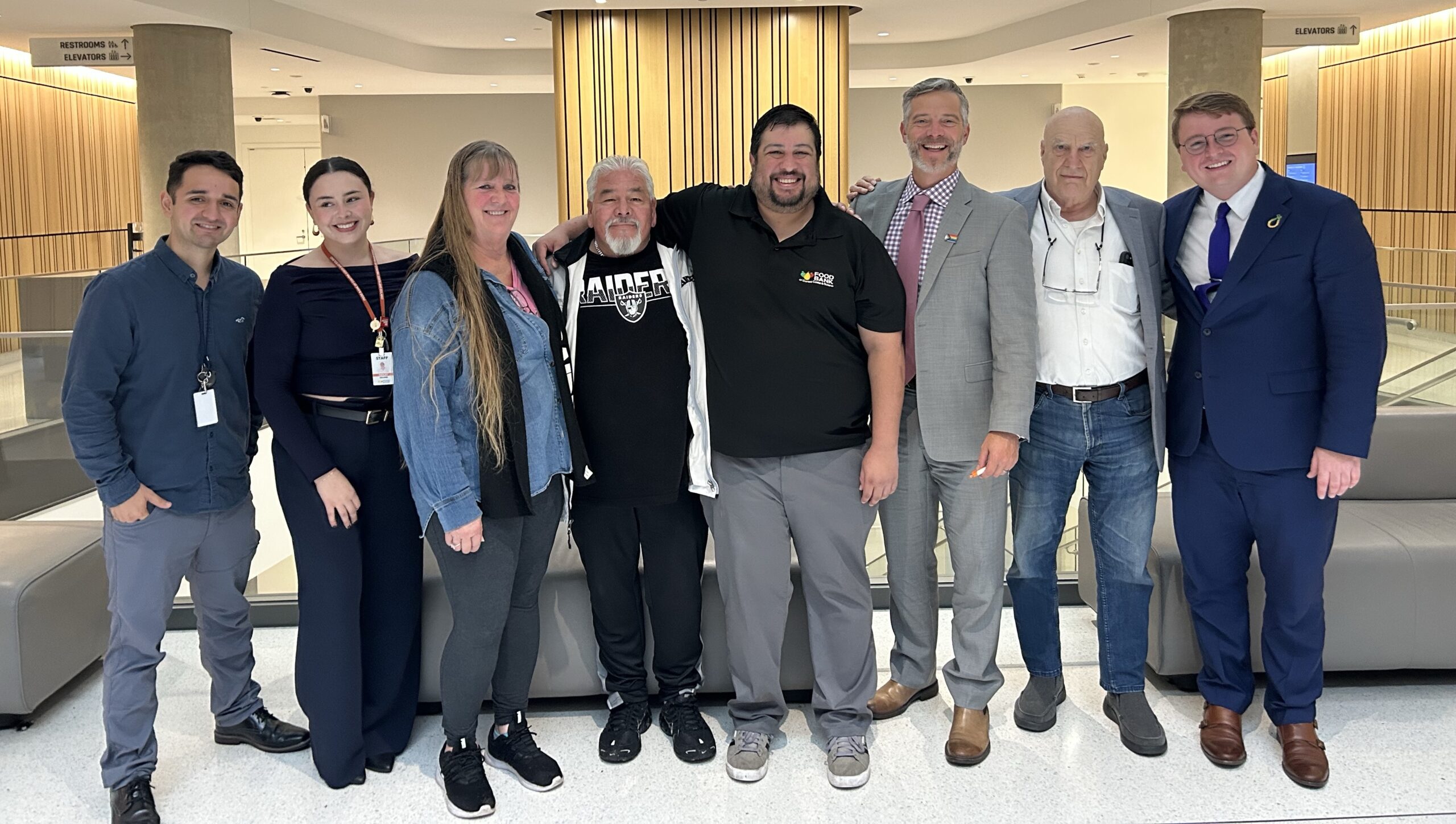
PHOTO, TOP: Bryan Espinosa and Hailey Argueta-Solares, far left, with graduates of Food Bank of Contra Costa and Solano’s Speaker Series program and others.
Like what you’re reading?
Support Food Bank News
This article was made possible by the readers who support Food Bank News, a national, editorially independent, nonprofit media organization. Food Bank News is not funded by any government agencies, nor is it part of a larger association or corporation. Your support helps ensure our continued solutions-oriented coverage of best practices in hunger relief. Thank you!