A company called FreeWill offers a novel pathway for food banks looking to increase giving from estate planning.
Noting that 70% of adults in the U.S. do not have a will, FreeWill makes it easy for people to write a no-cost will using online tools. It also makes it easy for them to leave legacy gifts to causes they care about. That combined offering has helped FreeWill generate more than $13 billion in donations to nonprofits since its founding in 2017.

More than 2,400 nonprofit partners are in FreeWill’s network, each paying an annual customized fee to access FreeWill’s tools and services, including targeted messaging, analytics and educational resources. In exchange, FreeWill helps manage the organization’s planned giving.
Food banks remain underrepresented in the FreeWill network, with only 31 food banks participating. While the group is fairly small, the impact is tangible. To date, donors have committed about $49 million to food banks through FreeWill, with the platform reporting incoming commitments of about $1.1 million each month.
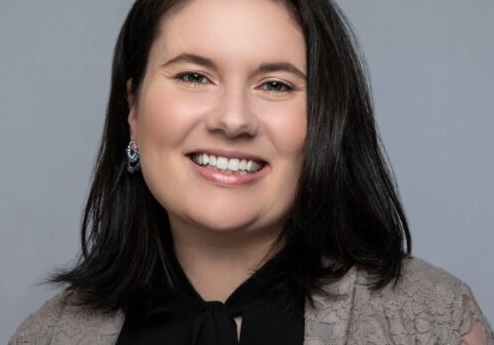
“The biggest benefit of partnering with FreeWill is that it lowers barriers to estate planning and charitable giving,” said Liz McFarlin-Marciak, Director of Planned Giving at Greater Pittsburgh Community Food Bank, which has been partnered with FreeWill since May 2021. FreeWill has helped the food bank with messaging to existing supporters, and finding new donors. “More broadly, the partnership has given us another way to start meaningful conversations about supporting our neighbors experiencing food insecurity for the long-term,” McFarlin-Marciak said.
In its five years of partnering with FreeWill, Greater Pittsburgh Community Food Bank has been included in 103 completed estate plans through the platform, 69 of which name the food bank as the primary beneficiary. Assets can include cash, investments, retirement accounts and real estate.
FreeWill helps drive donations through its educational resources. In addition to hosting planned giving workshops for nonprofit partners and donors, food banks benefit from campaigns and content that “help us raise awareness about legacy giving in a way that is accessible and relevant to our audience,” said McFarlin-Marciak. FreeWill can run targeted email campaigns to connect with new donors “who may not have otherwise considered including the food bank in their estate plans,” she said.
Greater Cleveland Food Bank, which has been partnered with FreeWill since November 2021, shared a similar experience. “FreeWill is more than just a platform,” said Karen Pozna, Director of Communications at the food bank. “They provide dedicated strategic support to help us identify outreach opportunities, develop campaigns, and engage supporters in meaningful conversations about the impact of legacy giving,” she said.
Its FreeWill partnership has so far led to 112 legacy gift commitments to Greater Cleveland Food Bank, with an estimated value total of $10.4 million. Most years, the partnership has led to about 14 new commitments annually, said Pozna. “Legacy giving is an especially personal and thoughtful form of philanthropy, so the timing and frequency of commitments can vary from year to year.”
In FreeWill’s view, food banks are uniquely positioned to benefit from its services. Unlike large universities or hospitals, for example, food banks often have “leaner fundraising teams and fewer resources dedicated specifically to planned giving,” while simultaneously being much more connected to their local communities, said Dina Pradel, Vice President of Marketing at FreeWill. Food banks’ typically “broad bases of loyal, community-oriented supporters” means the potential for these types of donations already exists, while FreeWill makes the process of drafting a will and committing to a charitable gift easier to execute.
While only 31 food banks are partnered with FreeWill, that number doesn’t include the food pantries, meal delivery groups and other hunger-relief nonprofits that utilize the services. Because nonprofit partners can choose which types of planned giving and outreach tools they have access to, each of FreeWill’s contracts and annual fees are customized.
FreeWill’s services, however, are still only supplemental. While the platform can make planned giving much easier for donors, it “doesn’t replace the need for internal staff or a strong stewardship process,” said Pozna of Greater Cleveland Food Bank.
Ultimately, the platform’s benefit depends largely on the food bank’s existing resources and supporter network. “FreeWill tends to be a stronger fit for organizations that have an established donor base, an active communications program, and the capacity to consistently market planned giving opportunities,” said McFarlin-Marciak of Greater Pittsburgh Community Food Bank.
“Whether it is the right fit depends on an organization’s size, audience, goals, and budget,” she said. “Ultimately, I would encourage food banks to evaluate FreeWill alongside other providers and choose the option that best aligns with their needs, budget, and long-term fundraising goals.” – Sidney Slon
Sidney Slon is a graduate student at the Craig Newmark Graduate School of Journalism at CUNY. He was a 2026 summer intern at Food Bank News, and has previously reported for the New York City News Service, U.S. News and World Report, and City Limits.
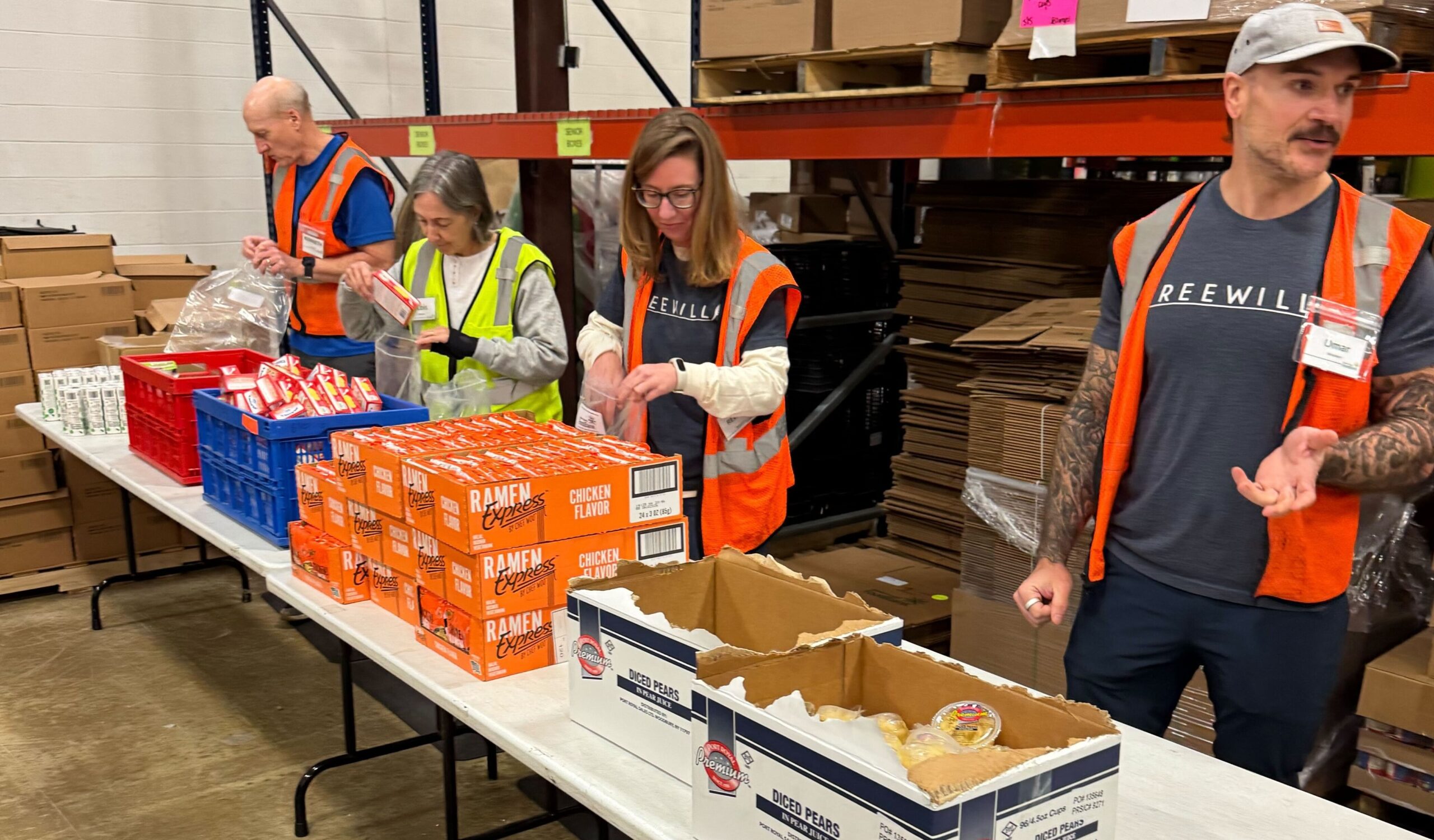
PHOTO, TOP: Representatives of FreeWill volunteering at Chester County Food Bank in Pennsylvania.
Like what you’re reading?
Support Food Bank News
This article was made possible by the readers who support Food Bank News, a national, editorially independent, nonprofit media organization. Food Bank News is not funded by any government agencies, nor is it part of a larger association or corporation. Your support helps ensure our continued solutions-oriented coverage of best practices in hunger relief. Thank you!