Daily Bread Food Bank of Toronto scored such a big win for the disabled community recently, that now it’s doubling down on its efforts.
In July, monthly checks for $200 began showing up in the mailboxes of Canadians with disabilities, thanks largely to the efforts of the food bank, which lobbied to get a $6.4 billion federal Canada Disability Benefit passed. Now it wants to get even more money allocated toward the disabled community, and is planning to deploy many of the same strategies – and then some – to do so.
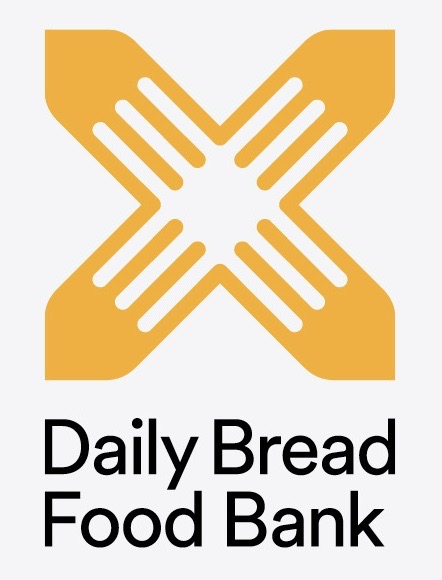
The plan is fitting for a food bank that gives as much weight to advocacy as it does to feeding people. Its dual approach is evident in its multi-layered logo, which shows four forks coming together in a way that could also be seen as pencils marking a ballot box (see below). “We believe that people have the right to food, and the only way to make that happen really is going hard on the advocacy side of things,” said Neil Hetherington, CEO.
Daily Bread began turning its attention toward the disabled when it realized nearly a third of its users experienced a chronic disability. While disabled people could receive aid through their provincial government, no federal benefit for disabled people existed. And the amount that most received through their province was not enough to lift them out of poverty.
Hetherington credited a few factors for the food bank’s success in winning the new federal benefit. First, it prepared a pitch to its board of directors that used a “return on investment” argument to get funding for the campaign. Hetherington posited that a half-a-million-dollar investment in advocacy could result in a 10% reduction in food bank usage, creating a six-month payback on food distribution expenses. “So it was an easy ROI for our board to say, ‘Okay, yeah, go to the long term solutions and spend that money,’” Hetherington said, adding, “If you firmly believe in your advocacy, it will decrease the usage.”
Daily Bread also took care to assemble a broad coalition of nonprofits and advocates to come together under one umbrella to campaign for the disability benefit. Nearly 70 organizations across the country signed on to support the campaign, with no obligation other than to lend their name to the cause. The food bank also tapped the 180,000 or so people who donate money to it, as well as clients, to be part of the campaign. In the end, about 300,000 people sent e-mails to the Ministry of Finance in support of the benefit.
The food bank also maintained a laser focus on the single issue of the disability benefit. As Hetherington noted, “If you have a list of 70 things you want your government to do, it’s easy for the government to say no to all of them. But it’s really hard for them to say no to one.”

While the government came through with a $200-a-month benefit, that amount was far below the $1,000 monthly that the food bank was seeking. So now Daily Bread is embarking on the next phase of its campaign, which incorporates all the elements of round 1, as well as a new, edgy multi-media effort devised by the Chicago-based advertising firm, Leo Burnett.
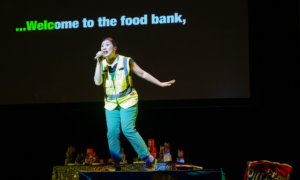
The marketing campaign, including social influencers, promotes a trendy new “CDB” diet that costs only $200 a month and is causing people to lose weight (see photo, top). After building up some intrigue around the diet, it will be revealed that the CDB diet (standing for Canada Disability Benefit) isn’t real, but is the reality for people living on the benefit.
Daily Bread hopes that its ongoing efforts will result in another incremental increase in the amount of the disability payment, Hetherington said. “And then we keep fighting.” – Chris Costanzo
Like what you’re reading?
Support Food Bank News