In July 2025, a nonprofit in Western New York started taking advantage of the state’s Medicaid 1115 waiver to support its mission of increasing access to healthy food and nutrition education. A year later, the small nonprofit, with a staff of seven, is delivering healthy food boxes and meals to 600 families a week and generating revenue of about $3 million annually, with a goal of reaching 1,000 families a week by the end of this year.
Conforming to all the requirements of the Medicaid waiver required Buffalo-based Community Nutrition Partnership to overcome many unknowns and administrative burdens. But the payoff has been substantial: it is fulfilling its mission, while also generating revenue that is sustainable and recurring.
“What we’ve been able to do with the waiver is really transition our organization from being very grant dependent to being more of a service delivery model,” said Kristie Chamberlain, Co-Founder and Executive Director, speaking at the New York State Food Summit earlier this summer and in a follow-up interview. “Having that consistent reimbursement is wonderful. Just having that stability has allowed us to really invest in infrastructure for our organization confidently.”

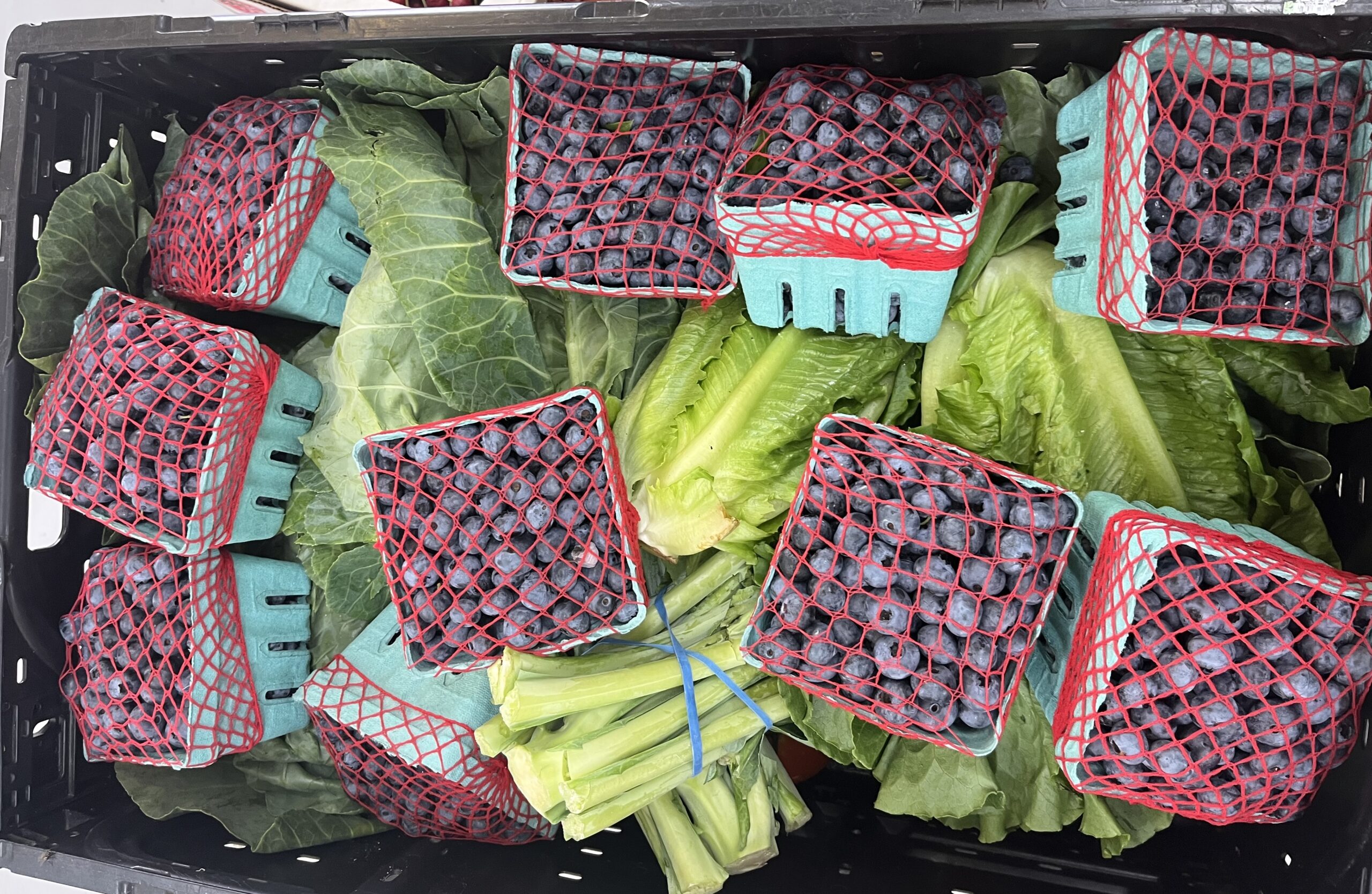
Throughout its 1115 journey, Community Nutrition Partnership has maintained its focus on expanding access to fresh, local food and ensuring people have knowledge and skills to enjoy it. The nonprofit outsources all of its logistics – sourcing food, packing boxes and delivering them – to a third-party food hub, allowing it to focus on all the administrative parts of the program, as well as nutrition education.
The administrative aspects are substantial. “It’s very different,” Chamberlain said. “We’re essentially operating like a healthcare partner. It’s very cumbersome, very clunky.” The nonprofit has the benefit of operating in New York State, where a statewide group of social care network providers have been organized to help community organizations handle referrals, billing and various technical issues. Even so, “I don’t know if they even imagined how difficult the program administratively was going to be,” Chamberlain said.
After initially managing its program with spreadsheets, Community Nutrition Partners took advantage of capacity funds from the state to build its own care management system. The platform has “made a huge difference” in helping it automate workflows, track members’ progress, measure behavior change, and provide a better customer experience, Chamberlain said.
One unexpected risk has been when patients suddenly lose their insurance eligibility status. Sometimes a change in status occurs after food orders have been placed and are already on their way for delivery. “If I had known then what I know now, I would have definitely assumed that 2% to 3% of our revenue is going to be a write-off because of that eligibility verification process,” Chamberlain said.
Community Nutrition Partners receives reimbursements of $12 to $16 per meal, and $130 to $146 per food box, which provides enough food for 21 meals over seven days. Chamberlain called the reimbursements “generous” and noted they have enabled the nonprofit to reorient its grant funding away from basic operations and toward innovative pilot programs, like a maternal health program it’s working on.
She encouraged other nonprofits to get involved in offering services through the1115 waiver, especially through partnerships. Even food banks and food pantries should consider outsourcing the food logistics to an outside partner, given the waiver’s strict requirements for sourcing and distributing specific types of healthy food.
“I would say partner with a local food hub and outsource the food and be focused on what you do best, which is serving your customers,” Chamberlain said. “It’s an alternative and recurring form of revenue that is wonderful. Even with all the pain and all the administrative burden, I would still say it’s very, very much worth it.” – Chris Costanzo
Like what you’re reading?
Support Food Bank News
This article was made possible by the readers who support Food Bank News, a national, editorially independent, nonprofit media organization. Food Bank News is not funded by any government agencies, nor is it part of a larger association or corporation. Your support helps ensure our continued solutions-oriented coverage of best practices in hunger relief. Thank you!