Most of the time when it comes to Food is Medicine, a funder of some sort steps up to help food banks pursue their goals.
Food banks have tapped foundations, healthcare providers, insurers and government entities in their quest to provide nutritious food to populations suffering from chronic diet-related diseases. Often, the funding is temporary, tied to pilots that eventually end.

For a handful of food banks, the idea of pulling back on Food is Medicine once a pilot has ended is a non-starter. For them, the benefits of Food is Medicine are worth pursuing, even during times when funders are not stepping up.
“I’ve taken the approach that if we build it, they will come,” said Michael Ledger, CEO at Ala.-based Feeding the Gulf Coast, which has been involved in Food is Medicine for at least 15 years.
Initially, the work involved grant-funded, short-term pilots that eventually ran out of support. But for the last three to four years, the food bank has made a “concerted effort” to sustain the work, whether or not the grants were coming in, Ledger said. “The return on investment is terrific for this county, for these individuals, for their families, and I’m hoping that people will see that and want to fund this work.”
Cynthia Kirkhart, CEO of Facing Hunger Food Bank, can relate, having been involved in Food is Medicine work since 2017. She estimated that the food bank has self-funded Food is Medicine programming about 35% of the time. “I’ve self-funded quite a bit because the programs were so important,” she said, adding, “I really don’t like being in that position of ‘I’m helping you get really healthy,’ and then, ‘Oh, I don’t have funding anymore.’”
Currently, Feeding the Gulf Coast is working with University of South Alabama Health (USA Health), a local healthcare provider, on screening patients for food insecurity and connecting them with food pantries, SNAP assistance and/or nutrition education. To get the program going, it spent about a year working with technology company Watershed Health, which provides the referral platform, on modifying and improving workflows around patient referrals and interventions.
The initiative is beyond the pilot phase at this point, with a critical mass of patients being referred through the system. Feeding the Gulf Coast is particularly interested in being able to track readmission rates and expects that its implementation of Service Insights, the client management system from Feeding America, will help on that front.
At the moment, no grant or outside support is involved in making all of this work happen. “We’re just doing it,” Ledger said.
He pointed to the scale of need, noting that nearly 400,000 people in the food bank’s service area are food-insecure and up to 50% fall into the category of ALICE (asset limited, income constrained, employed). “There are a lot of people who could likely screen positive for this,” he said, adding, “I expect these numbers to continue to grow, and finding funding for this project, to be able to keep saying yes as that scale goes up is what I’m focusing on.”
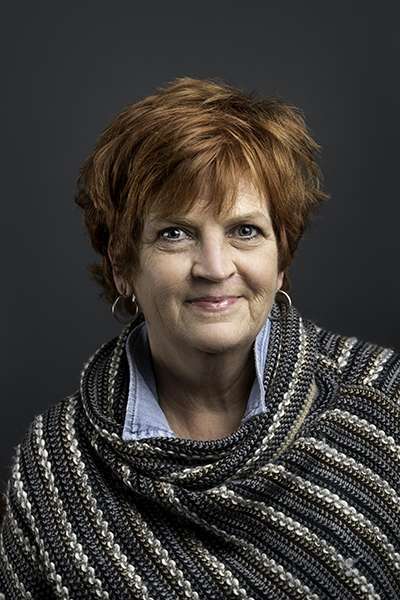
In West Virginia, Facing Hunger Food Bank started its journey in Food is Medicine by providing nutritionally appropriate food to people with end-stage renal disease, and has since expanded to cancer and pediatric patients, Kirkhart said. It distributes about 1,700 food boxes every month to patients.
Kirkhart reported results including a reduction of about 25% in emergency room visits; improved blood-sugar levels; 34% of people losing weight, and 17% of people eliminating or decreasing their blood pressure medications. She noted, “I love being able to talk about where we are in developing these things without so many resources.”
Looking forward, Kirkhart is hopeful that the Rural Health Transformation Program, a $50 billion federal effort to improve rural health, will help bring together the state’s healthcare providers in a Food is Medicine partnership. “When I first started here, I felt like we were part of a diabetes factory. We had a lot of donated bread and bakery. So I think it’s been an obligation for us to really grow into” improving health outcomes, she said.
At Feeding the Gulf Coast, the future includes working with all nine food banks in Florida to collectively provide prescription food boxes, as well as education and outreach to patients. That project has been going on for about a year and a half and is just entering a six-month pilot phase, Ledger said.
If all goes well, the Florida project would enable the nine food banks to generate earned revenue from providing food boxes, moving Feeding the Gulf Coast well beyond self-funded Food is Medicine. Reimbursement in the Florida project would not occur through a Medicaid 1115 waiver as in other places. Rather, the state has created a mechanism to encourage managed care organizations to pay for medically tailored food boxes.
“The Holy Grail of this whole thing is to get to reimbursement,” Ledger said. “That would be amazing.” – Chris Costanzo
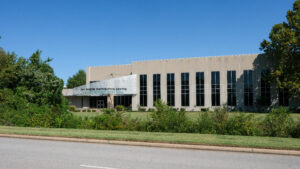
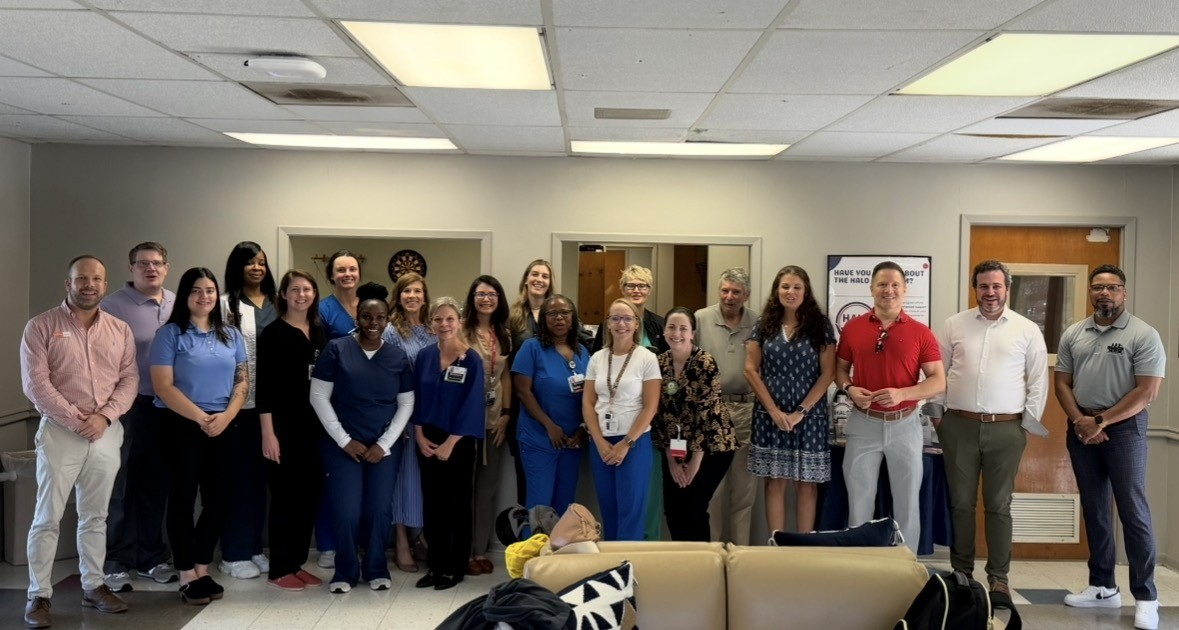
PHOTO, TOP: Michael Ledger, CEO of Feeding the Gulf Coast, top, with staffers at USA Center for Healthy Communities, a partner in Food is Medicine.
Like what you’re reading?
Support Food Bank News
This article was made possible by the readers who support Food Bank News, a national, editorially independent, nonprofit media organization. Food Bank News is not funded by any government agencies, nor is it part of a larger association or corporation. Your support helps ensure our continued solutions-oriented coverage of best practices in hunger relief. Thank you!