It took several months to get going, but Feeding Westchester is now humming along with an initiative that uses Medicaid dollars to deliver nutritious food to the doors of eligible residents.
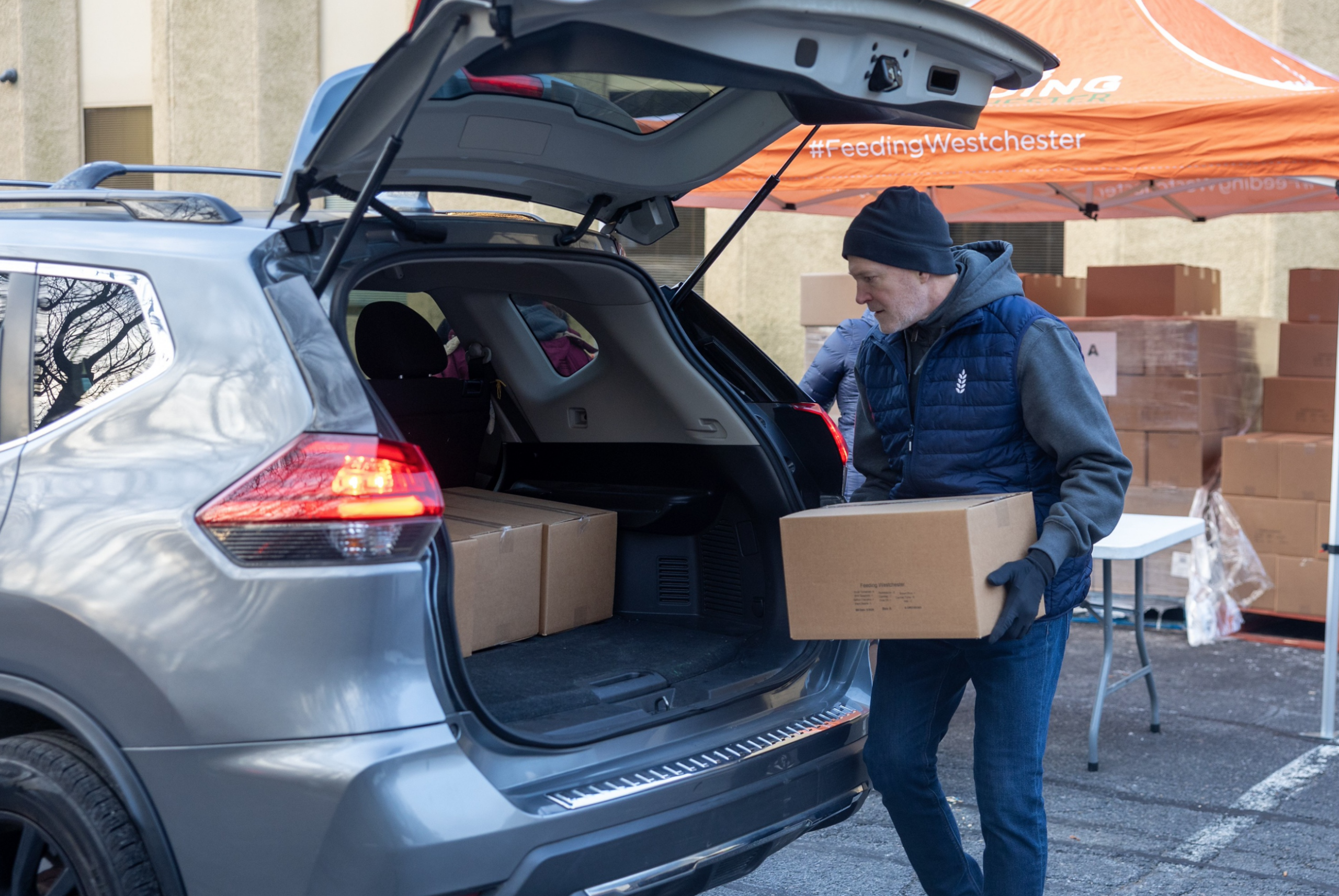
Every Wednesday morning, the Elmsford, N.Y.-based food bank oversees the distribution of hundreds of boxes of medically tailored food to some of its most vulnerable residents – those experiencing both chronic disease and food insecurity. DoorDash executes the deliveries on the food bank’s behalf through its Project DASH program.
The Food is Medicine program is made possible via the federal 1115 waiver, which lets state health care plans tap the deep pockets of Medicaid to test whether non-medical interventions like nutritious food can improve public health. The New York State plan is putting $7 billion over three years toward connecting Medicaid members to various social services, including nutrition, housing and transportation.
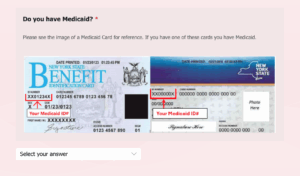
Feeding Westchester’s program took a while to rev up, underscoring the complicated nature of establishing entirely new connections between the healthcare and social services sectors. In New York, nine so-called “social care networks” throughout the state have been charged with helping to coordinate the screening of Medicaid members, assessing their eligibility for social services, and referring them to service providers like Feeding Westchester.
Feeding Westchester was ready to begin distributing boxes in January 2025, which was when the state was prepared to start reimbursing community-based organizations for their services. But it wasn’t until July when it got its very first referral through the program. Once referrals started, the program scaled steadily, by about ten to 15 referrals a week. By mid-December, the food bank was shipping out nearly 175 boxes a week, and expects to be serving 300 households by early 2026.
With a foundation now in place, “the sky’s the limit,” said Brad Kerner, Vice President of Community Engagement and Impact at Feeding Westchester. “The only thing we need now is more referrals.”
Getting referrals has proven to be a challenging aspect of taking advantage of Medicaid funding. Feeding Westchester gets its referrals from partners of its regional social care network, Hudson Valley Care Coalition, which has trained navigators at about 100 community-based organizations to do healthcare screenings. The goal of Hudson Valley Care Coalition is to screen all 600,000 Medicaid members in its seven-county region, but so far it’s only screened about 20,000 or 3% of its goal, said Yulissa Rodriquez, Social Care Network Director. “The biggest challenge is outreach to members,” she noted.
Food banks in New York have met the challenge of getting more referrals in a number of ways. NYC-based God’s Love We Deliver – like Feeding Westchester – gets most of its referrals through community partners. But it also has a page on its website where individuals can initiate a screening and get help navigating the process from a team of in-house community health workers. On Long Island, the Island Harvest Food Bank is unusual for embedding its six dieticians on site at four area hospitals, allowing them to develop relationships with staff and facilitate referrals.
To manage its Food is Medicine program, Feeding Westchester has hired one part-time staffer using capacity-building funds provided by the state. In addition to overseeing billing and deliveries, tasks include confirming the addresses of referred members, with the food bank reaching out a maximum of three times if necessary. The Unite Us platform used by Hudson Valley Care Coalition helps the food bank track members and close the loop on referrals.
When Feeding Westchester first started distributing the food boxes, it used its own trucks and drivers to do the deliveries. It wasn’t long before that operation became untenable, causing the food bank to turn to DoorDash for help. Drivers typically take ten boxes at a time for delivery to ten households, earning the same rates as they would for standard DoorDash orders. DoorDash then bills Feeding Westchester per box.
Feeding Westchester bills Hudson Valley Care Coalition for each box it distributes along a scale of $97 to $147 per box, which fully covers its costs, Kerner said. So far, all of the food bank’s expenses related to the medically tailored boxes have been paid in a timely manner, which is slowly helping the food bank fill a $2.4 million budget deficit. “We love it,” Kerner said. “We’re not used to getting paid to do this work. This is a game-changer for us.” – Chris Costanzo
PHOTO, TOP: Bruce Jackson, Director of Marketing and Communications at Feeding Westchester, helps to load food boxes into a Project DASH delivery vehicle on a recent Wednesday morning.
Like what you’re reading?
Support Food Bank News