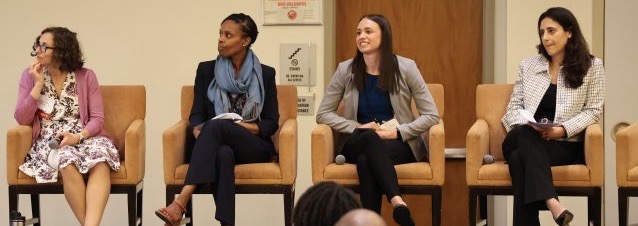
The state of Massachusetts recently reached a milestone in its Food is Medicine journey. At the beginning of this year, 43 community-based organizations in the state, including many food banks, became Medicaid healthcare providers.
“They have become just like your doctor,” said Stephanie Buckler, Deputy Director of Social Services Integration at the Massachusetts Executive Office of Health and Human Services. As medically tailored food providers, they’ve gone through all the hoops of getting certified and receiving official identifiers that let them conduct claims transactions in a way that meets federal privacy laws. (For more on one Massachusetts food bank’s Food is Medicine experience, see our article here.)
“They’re able to bill Medicaid, they’re able to submit claims, and they’re able to deal with claims that were not paid correctly,” Buckler said at the Food as Medicine conference in Chicago last week, adding, “It is super-exciting to see that.”
Such an achievement hasn’t happened in isolation. The state of Massachusetts has acted as a key convener of the food providers, providing guidance, infrastructure dollars, connections, as well as legislation favorable to advancing the state’s Food is Medicine ecosystem. “What we’ve tried to do is really work hand in hand with our community-based organizations to do this and make sure that our healthcare organizations are working hand in hand with them,” Buckler said.
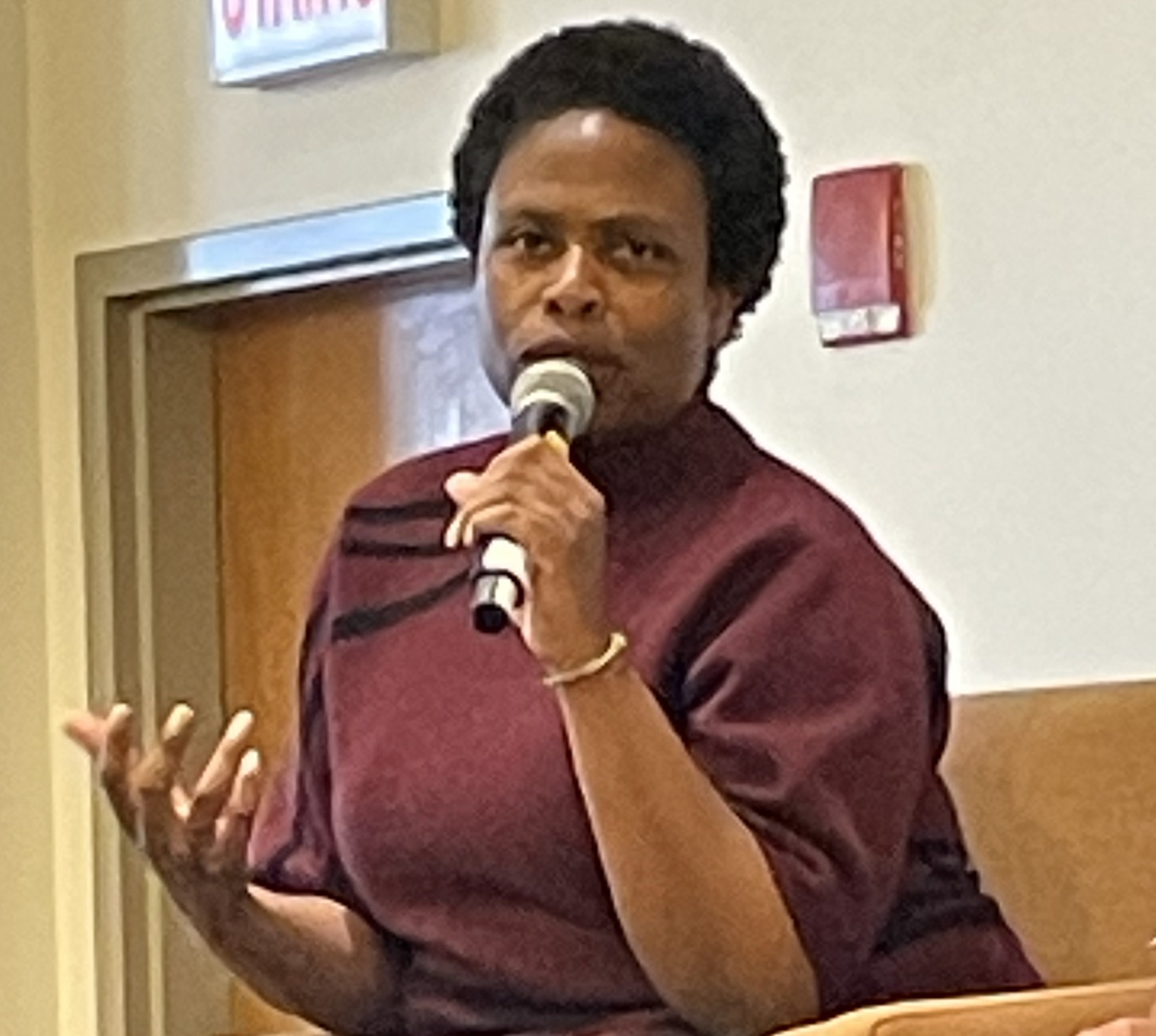
The state’s approach underscores a central theme that became apparent over the course of the two-day Chicago-based conference – partnerships between the public, private and nonprofit sectors are critical to getting Food is Medicine going. “We need systems thinking,” said Scott Bowman, Co-Founder of The Nourish Movement, a provider of collaboration platforms for food and health. “These are complex issues. We need multiple stakeholders working together, across sectors.”
Daniel Riff, Head of Government & Nonprofit Operations at DoorDash, offered an example of one such partnership. An agency running a produce prescription program in South Carolina “did everything right,” Riff said. It was receiving referrals from healthcare providers and sourcing food locally, but still had low participation rates in its program.
When DoorDash got involved to overcome transportation barriers by providing delivery, participation in the program doubled. “It’s adding strength to strength,” Riff said, with community-based partners providing local knowledge and industry partners filling in the access gaps. “That’s a very powerful combination to make communities healthier and also to save cost,” he said.
Coalition-building is also figuring into advocacy efforts. Rather than show up to D.C. by itself, Feeding America is finding it’s more effective to “show up with a payer and a provider and a retailer and say, ‘Look, this is something that is cross-sector. This is a public health issue, a public health crisis,’” said Melanie Hall, Chief Research & Innovation Officer at Feeding America.
A major focus of Feeding America’s policy effort is to make sure providers of medically tailored food get reimbursed by insurers. Food is Medicine generally requires food banks to purchase fresh food, “which is obviously not part of our business model,” Hall noted. So Feeding America is identifying pathways for reimbursement, not just through the government, but also through payers and providers. “Payers and providers have it within their power to change their policies in order to make sure that this is something that is covered,” Hall said.
Katie Garfield, the Director of Whole Person Care at the Center for Health Law and Policy Innovation at Harvard Law School, applauded efforts by some states to share out training materials, templates and other documentation related to advancing Food is Medicine. “These are universal problems that are being solved on an individual basis across states,” she said. “But to the greatest extent possible, we should not be reinventing the wheel.”
Rockefeller Foundation has been investing heavily in Food is Medicine since 2019, committing more than $100 million since then to advance the use of nutrition to improve health. A primary goal is to “get to a place where we are using community-based organizations to meet the demands of Food is Medicine,” said Dana Thomas, Managing Director of Food is Medicine. “How can we push them with the tools, resources and education that they need to meet the demands of the healthcare system?”
The end game of all this partnering and knowledge-sharing is to prove that good nutrition can help bring down healthcare costs while also improving health outcomes. Massachusetts and other states are already scoring wins in that department. Buckler said her agency is “just elated” about “some really incredible results” identified in a recently published study. (For more on research results related to Food is Medicine, see our article here.)
The Massachusetts study found that the state’s Food is Medicine program resulted in a 23% reduction in hospitalizations and a 13% decrease in emergency room visits. Among a subset of participants that received nutrition services for 90 days or more, the results were even more encouraging. Per member, there was a $2,500 or so reduction in spending that equated to about $200 in cost savings, amounting to about $1.8 million in cost savings for around 8,000 members, Buckler said. She added, “We are shouting that from the rooftops.” – Chris Costanzo
PHOTO, TOP: Panelists at the Food as Medicine conference in Chicago last week included (left to right): Stephanie Buckler of Massachusetts HHS, Dana Thomas of Rockefeller Foundation, Rebecca Gilmore of Michigan HHS and Thea Kachoris-Flores of Illinois Healthcare and Family Services.
Like what you’re reading?
Support Food Bank News