Two years ago, Feeding America announced an initiative to recover more food from farmers, manufacturers, and especially retailers. As that initiative continues to unfold, food banks have gotten more strategic about how they go about rescuing food from retail grocers.
Conversations during and after Fresh Connect Central’s Power of Partnerships conference last month showed that food banks are thinking about where in the organization food rescue should live so it can best thrive. At many organizations, that means separating retail rescue from agency (or pantry) relations.

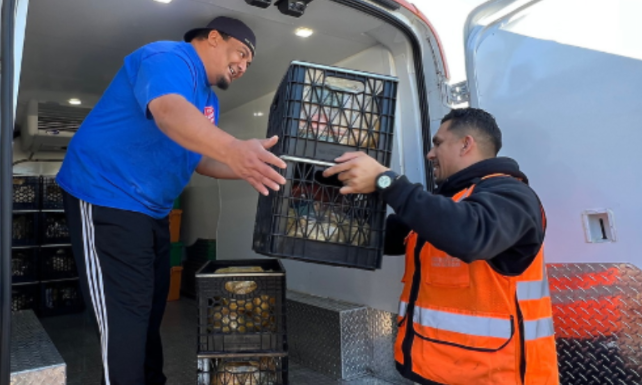
Traditionally, there have been good reasons to combine retail rescue and agency relations. The idea is to have agency partners develop relationships with local grocers and execute the pickups. The rescued food can get to neighbors much more quickly, while saving food banks the trouble of warehousing and distributing it.
But as retail rescue programs get bigger and more sophisticated, some food banks are finding it more effective to have a dedicated operations team devoted to retail rescue apart from agency relations. Such teams set up the relationships between agencies and grocers, and work to add more stores to the program. While the organizational details may differ, the upshot is that the retail rescue function is getting more focused attention, rather than being an add-on to agency relations.
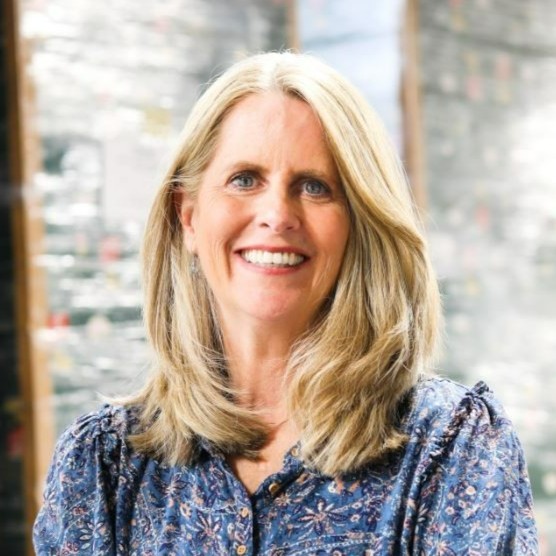
Feeding San Diego is one example. It moved retail rescue from its programs team to its supply chain team a few years ago, said Patty O’Connor, Chief Operations Officer. “It made sense to focus the food rescue team on the business side of our organization, because that team understands that language,” O’Connor said.
Since fiscal year 2022, Feeding San Diego has increased the amount of food rescued from stores by agencies from just under 15 million to more than 21 million. “Ever since we switched over, it’s been growing and growing even more,” O’Connor said.
The four-person food-rescue team is responsible for managing 70 to 80 store relationships each, connecting them with agencies and contributing to more than 1,000 food pickups every week of 300 to 400 pounds. With no TEFAP food (it goes to the other main food bank in the county), more than 90% of the food Feeding San Diego distributes is rescued. “We’re just constantly going out and looking for that,” O’Connor said.
Importantly, the team spends a lot of time in the stores, building and maintaining relationships. In one notable example, the food bank was able to increase donations from one local retailer from about 13,000 pounds in fiscal 2022 to more than 187,000 pounds in fiscal 2026, by visiting every department head and getting them on board.
In O’Connor’s view, strengthening the food rescue team offers an attractive return on investment. An additional team member, for example, could be expected to add at least 20 new pickups a week, resulting in 400,000 pounds over 50 weeks, if each pickup were an average of 400 pounds.
With donated pounds amounting to $1.92 of value, according to Feeding America, that team member is contributing $768,000 worth of food, in exchange for a far more modest salary. “If you can put that salary into personnel who’re out there making these things happen, you can get more than $760,000 of food,” O’Connor said. “It’s amazing.”
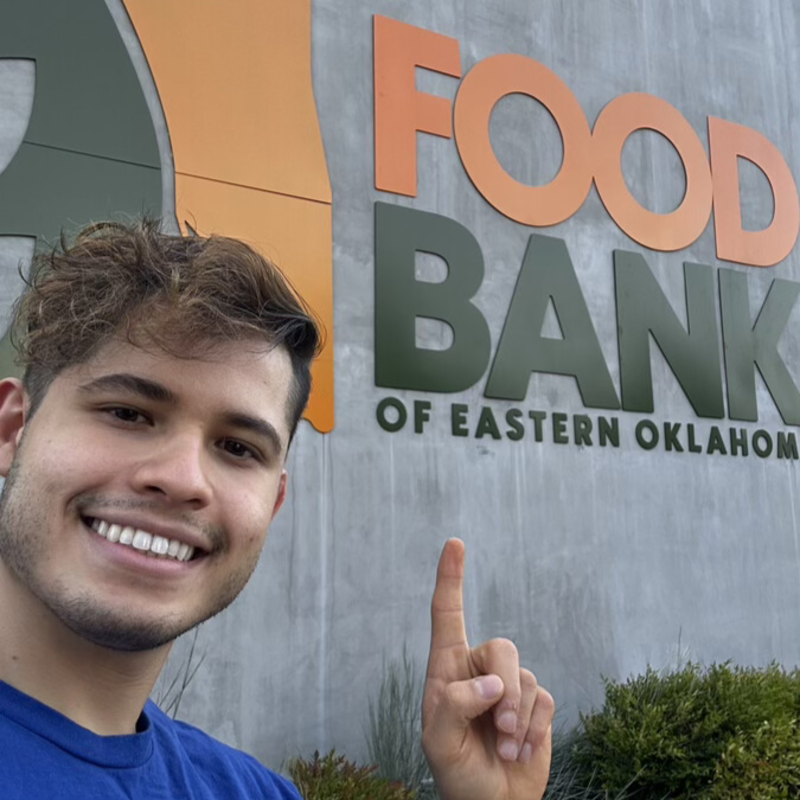
Over the summer, Food Bank of Eastern Oklahoma revamped the organization of its food sourcing team, including by splitting up duties related to managing partner agencies and retail food donors. “The retail rescue coordinators are going to be focused on managing relationships with stores and visiting stores, and that translates into more pounds,” said Homar Vicencio, Director of Food Sourcing and Analytics. He added, “Partner services really understands their agencies and will be managing partner agency relationships, whereas the retail rescue team really understands the stores.”
Last fiscal year, the food bank generated 15 million pounds of food from its retail rescue program, which comprised about 45% of overall distribution. With the reorganization, Vicencio expects to generate 5% growth in rescued food year over year for the next three years. “We’re going to be pounding the pavement, and really making sure we’re on top of the stores,” he said. Currently, one team member handles more than 400 store relationships, and the food bank hopes to onboard another person soon.
The transition will take time, as the food bank works to educate the teams and open up the lines of communication between them to handle any issues. From Feeding America’s Retail Opportunity Report, the food bank knows that it is missing out on about four million pounds of food that could be rescued in its region. “With this team structured this way, we’re hoping to really make a dent in that,” Vicencio said.
Feeding Westchester has also separated tasks related to partner agencies and stores. Its team, housed in procurement, includes a Retail Recovery Donations Manager who focuses on all of its 78 stores, managing site visits and stewardship. The Agency Enablement Coordinator, meanwhile, handles all the issues that crop up at the 34 agencies in its network that do food pickups.
The coordinator works outside of the programs team, but collaborates with it to get referrals and spread the word about agency pickups. “What we’ve seen from this split is greater partnerships for both our food donors and our agency partners,” said Kimberly Cicero, Senior Procurement Manager. “They have a lot more trust in us.”
Having one person focused on stores and another on helping agencies execute pickups has been a boon to the retail recovery program. At launch, the food bank was recovering about 1.2 million pounds of food annually. Already in the second month of fiscal 2027, it has rescued more than one million pounds. “We’ve seen a really great impact,” Cicero said. – Chris Costanzo
Like what you’re reading?
Support Food Bank News
This article was made possible by the readers who support Food Bank News, a national, editorially independent, nonprofit media organization. Food Bank News is not funded by any government agencies, nor is it part of a larger association or corporation. Your support helps ensure our continued solutions-oriented coverage of best practices in hunger relief. Thank you!