Like many hunger relief organizations, God’s Love We Deliver recently put language at the top of its website to help individuals navigate the new SNAP restrictions. It also highlighted a less-common avenue of help – food assistance through Medicaid.
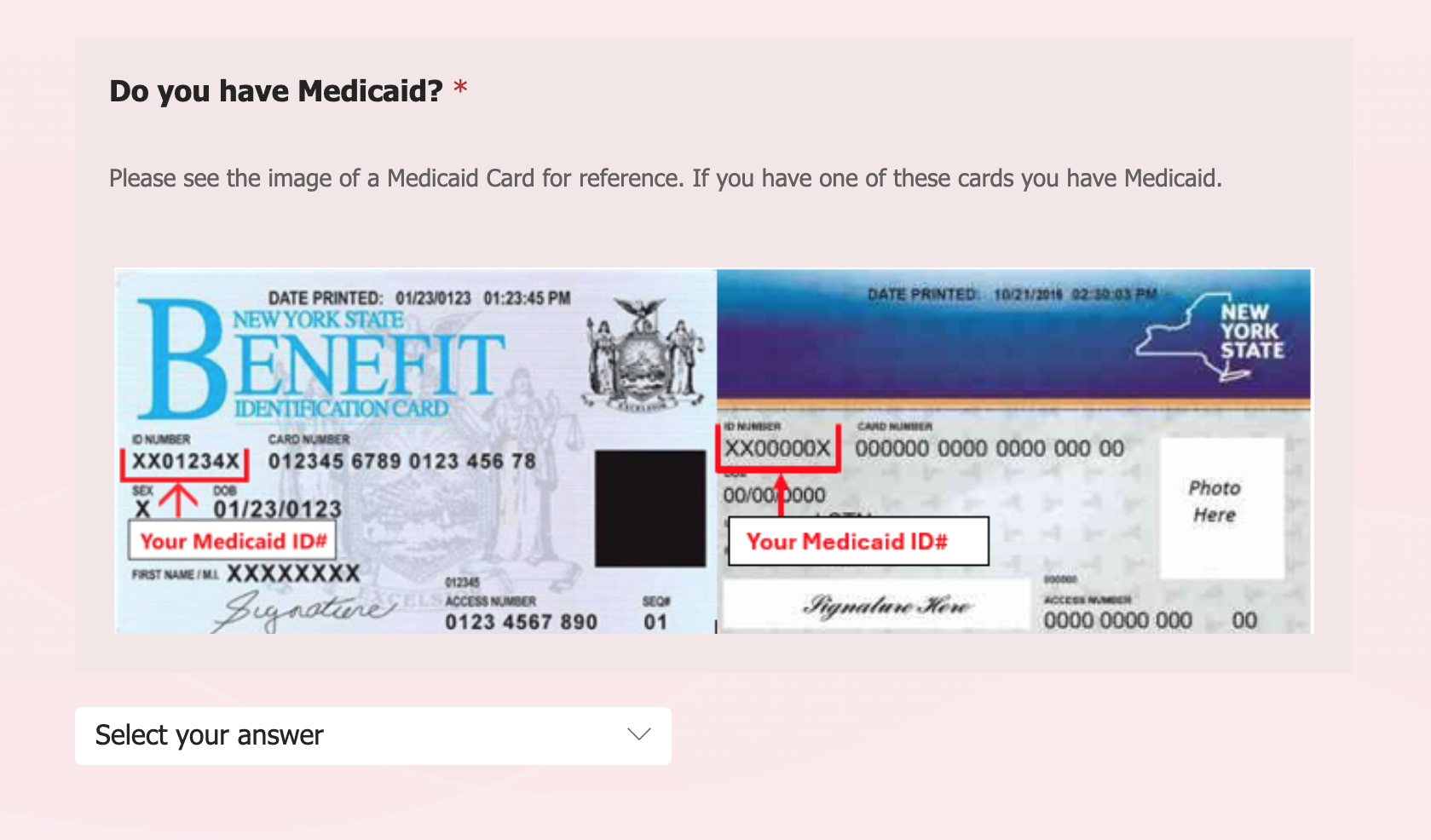
Individuals can now go to a page on GLWD’s site where they can answer a few screening questions to see if they qualify for medically tailored meals or groceries through Medicaid. If so, GLWD will deliver the food and get fully reimbursed for doing so by Medicaid insurance providers.
GLWD is not the first to put a screening tool for Medicaid food assistance on its website. For-profit companies like Performance Kitchen, for example, have been encouraging people to use a screening tool to see if they qualify for meals covered by insurance for some time. But GLWD may well be the first hunger relief organization to do so.

The nonprofit sees Medicaid coverage as another pathway for getting people the help they need, especially as SNAP benefits get diminished. “We saw an opportunity here to really help guide people who may be eligible for these waiver services through the screener,” said Eric Rochman, Chief Strategy and Growth Officer at GLWD.
GLWD is no stranger to medically tailored meals; it began in the late 1980s by serving them to people living with AIDS in New York City and now serves millions of meals annually to people with chronic disease conditions. The introduction of a Medicaid 1115 waiver in New York State at the beginning of this year has allowed the nonprofit to expand its reach to qualified Medicaid recipients.
With the waiver, GLWD now has a team of seven (soon to be nine) community health workers to help individuals navigate the various social assistance programs that are available to them. The team screens eligibility for existing federal and state resources, as well as “enhanced services” like housing, transportation and nutrition services that are reimbursable through Medicaid. The waiver also lets GLWD take advantage of a closed-loop referral system to ensure follow-up.
GLWD receives reimbursements through two pathways. First, it gets reimbursed $10 to $16 per meal. It can also bill for the time that community health workers spend assisting clients. As per publicly available information, GLWD gets reimbursed at a rate of $17.50 per 15 minutes for time spent by community health workers navigating social care services, Rochman said.
The reimbursement revenue offers a more stable and complete form of funding, Rochman said. “Traditionally, we were only being reimbursed through our contracts with healthcare plans, so the waiver has opened up a new revenue source,” Rochman said. In addition to reaching more clients, the 1115 payments offer “higher reimbursement rates than we traditionally have seen through our other healthcare contracts, which is good because it really ensures that we can serve all of an individual’s needs,” Rochman said.
GLWD has had to make investments from an infrastructure standpoint. New York’s 1115 waiver program is unusual in setting up nine so-called “social care networks” throughout the state, which are charged with connecting Medicaid patients to community services. Because GLWD is delivering meals throughout the state, it has relationships with all nine networks, which combined use three different technology platforms to do screenings, determine eligibility, identify resources and make closed-loop referrals. Rochman noted that GLWD benefitted from significant funding that has been set aside by the social care networks to help nonprofits build up their infrastructure capacity.
Rochman encouraged other hunger relief entities to get involved in providing nutrition services through the Medicaid waiver, if applicable in their state. “In our healthcare system, we focus so much on sickness-oriented care, and the waiver is moving us toward more preventative care,” he said. Proving that nutrition services are essential to good health “is going to take all of us,” he added.
In general, Rochman had high praise for the waiver. “The waiver is really helping us to be more effective, to serve more clients in need and get reimbursed for the services in a way that empowers us to do more. It’s really a great program, and we are very, very fortunate to be able to participate in it.” – Chris Costanzo
CAPTION, TOP: The screening tool on the God’s Love We Deliver website is used to check eligibility for nutrition services through Medicaid.
Like what you’re reading?
Support Food Bank News