GUEST OPINION BY AMY QAZI OF SECOND HARVEST FOOD BANK OF MIDDLE TENNESSEE – Food insecurity is closely tied to chronic disease, and healthcare systems across the country are increasingly integrating social drivers of health screening into clinical care.
However, screening alone is not enough.
Healthcare providers must also have access to community-based food security and nutrition interventions that enable them to act when patients screen positive. Often, those pathways don’t yet exist, and despite growing momentum, too many Food Is Medicine initiatives remain small-scale pilots.

If we want meaningful, lasting change, we must move beyond pilots and build systems that can intentionally and successfully scale. Located in Nashville, the healthcare capital of the United States, Second Harvest Food Bank of Middle Tennessee has a unique opportunity to lead that transformation.
Recognizing this, we organized Healthcare Co-Creation sessions that brought together leaders from across the Food Is Medicine ecosystem, including healthcare systems, academic partners, insurers, retailers, attorneys, and community organizations. Together, we identified key challenges, opportunities, and priority areas for action, designing a collaborative path forward grounded in shared leadership and practical implementation.
Addressing the intersection of hunger and health is not new to Second Harvest Food Bank of Middle Tennessee. For over 20 years, we have integrated nutrition directly into our hunger-relief programming. Registered dietitians lead nutrition-education initiatives, partnerships with dietetic internships expand access to community nutrition outreach, and a nutrition policy aligned with Healthy Eating Research guidelines direct our food sourcing and distribution.
We have also partnered with healthcare providers to incorporate food into care plans and participated in national research efforts, including Feeding America and Elevance Health’s Food As Medicine 3 project.
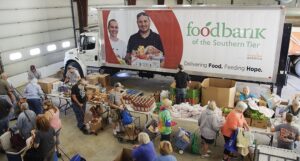
Drawing on two decades of operational experience in Food is Medicine, Second Harvest understands the barriers healthcare systems face when implementing food-based interventions. We also understand neighbor needs and have built the operational infrastructure needed to reach both rural and urban communities. Plus, we have the nutrition, programmatic, and logistics expertise on staff to lead this work effectively. Based on this experience, we are committed to serving as the backbone organization for this work
Our goal is to build a scalable, replicable, neighbor-centered model that healthcare partners can implement. Co-creation remains central to this work, ensuring that solutions are designed collaboratively, grounded in real-world implementation, and responsive to the needs of the communities they are intended to serve.
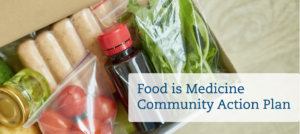
Working with our healthcare partners, we’ve helped shape an intervention centered on dignity, meeting people where they are, and creating a model that can work in both rural and urban settings. Eligible participants receive consistent access to nutritious food tailored to household size over six months, including produce gift cards, shelf-stable pantry items home delivered to their door, enrollment in federal programs, and nutrition counseling.
Participants are referred by healthcare providers through a closed-loop referral platform, allowing us to confirm service delivery and ensure healthcare partners know when a neighbor has received support. Working with local health systems and federally qualified health centers, we are bringing this model to life across our service area.
In addition to having the right partners at the table, strong data and evaluation are essential. A rigorous, IRB-approved evaluation will be embedded across all phases of the program to understand implementation at the food bank, healthcare, and neighbor levels, made possible through generous funding from Feeding America.
Findings from this work will be published to help inform the field and support other communities seeking to implement similar models. We will examine how these interventions operate in real-world settings, how consistent access to nutritious food affects chronic disease, and over time, how these interventions influence healthcare utilization.
Our goal is clear: Food is Medicine interventions should not be viewed as a “nice to have,” but as an integrated and essential part of the care plan.
Food is medicine because it is foundational to health and well-being. It supports children’s ability to learn, helps older adults avoid malnutrition, enables adults to work hard and care for their families, and allows individuals to better manage diet-related chronic diseases like hypertension and Type 2 Diabetes. As healthcare systems increasingly screen for food insecurity, meaningful, scalable interventions must exist to respond.
When food is fully integrated into the care plan, the benefits extend far beyond individual health. Healthcare costs decline, strain on medical systems is reduced, and local economies grow stronger.
Most importantly, communities become healthier and more vibrant places where people have the opportunity to reach their full potential. By aligning the healthcare ecosystem and community organizations like Second Harvest, we can ensure that access to nutritious food becomes a standard component of whole-person care and a lasting investment in healthier people and stronger communities.
Amy Qazi is Director of Innovation and Programs at Second Harvest Food Bank of Middle Tennessee.